audience is left with some appreciation for the virtue
of finding things out.”
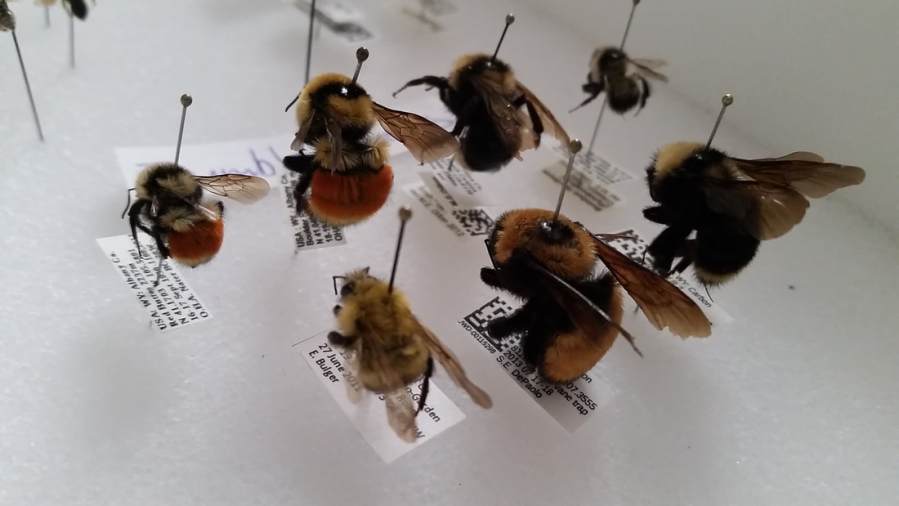
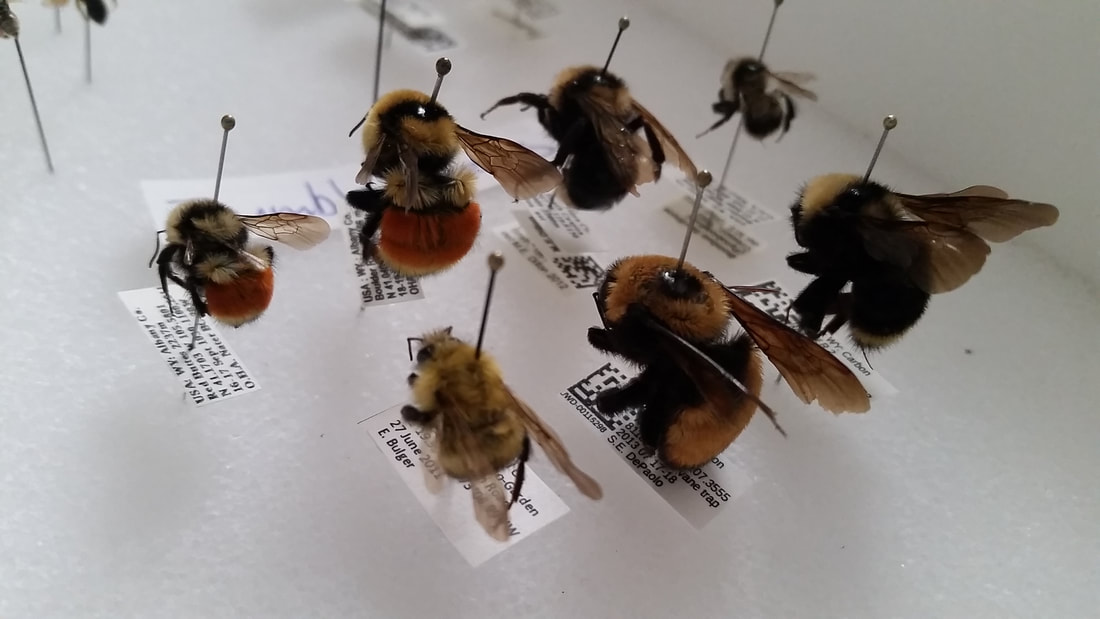
My name is Chris Petranek and I study bumble bee physiology as a graduate student at the University of Wyoming.
Before I got here, my research was focused on conservation population biology of obscure bumble bee species in Mexico and Guatemala. Communicating the relevance of the science was not difficult, especially since it coincided with the popularity of “saving the bees”. While I think science motivated by an obvious benefit to society is fine, science for the sake of itself is incredibly important, as many game-changing discoveries were happenstance, e.g. penicillin, X-rays, and super glue. Research on creatures spanning the tree of life can provide apparently unlikely insight to myriad issues pressing mankind, even if the studies seem entirely trivial at face value.
It is difficult to convey why apparently silly science experiments are worth the time and money, but I think to do so is an important part of effective science communication. Science can seem dry, uninteresting, and trivial but this isn’t the fault of the scientific endeavor at large. The responsibility of making science interesting again lies with scientists and science educators. Since I serve both of these roles, I am interested in being the best science communicator I can.
On an average day in the lab, I might be tying little weights to bumble bees, waxing bumble bees to remove their hair, or using expensive high-speed video equipment to film a bee flying in a plastic box. There is a chance this research could change the way we think about exercise physiology, insect locomotion, dispersal, and energy use, thermal dynamics, and/or aerodynamics in general. However, it is probably more likely it will simply tell us a few things we already knew about bumble bees. The prospect of monumental discovery portrays science as a noble and worthwhile endeavor, and the apparent uselessness of many experiments paints a picture of nerds wasting money. In reality, I think science can be both of these things but is most often a longstanding human occupation geared towards furthering our knowledge of the natural world, no matter how small those increments of information gain are.
Thus, science communication interests me because I can’t yet paint a picture of science (my work or in general) that inherently makes it seem interesting, dispels scrutiny, and doesn’t build it up so much as to instill disappointment. Even when discussing a basic research idea, I hope the audience I interact with at least is left with some appreciation for the virtue of finding things out.

Nobel prize winner Dr. Hu’s reflection on the wastefulness of his research (meta blogging?):
https://blogs.scientificamerican.com/guest-blog/confessions-of-a-wasteful-scientist/
More u know pic:
https://engagelaramie.science.blog/wp-content/uploads/2019/08/51c2e-cr6n-m_wuaaz6bp.png


