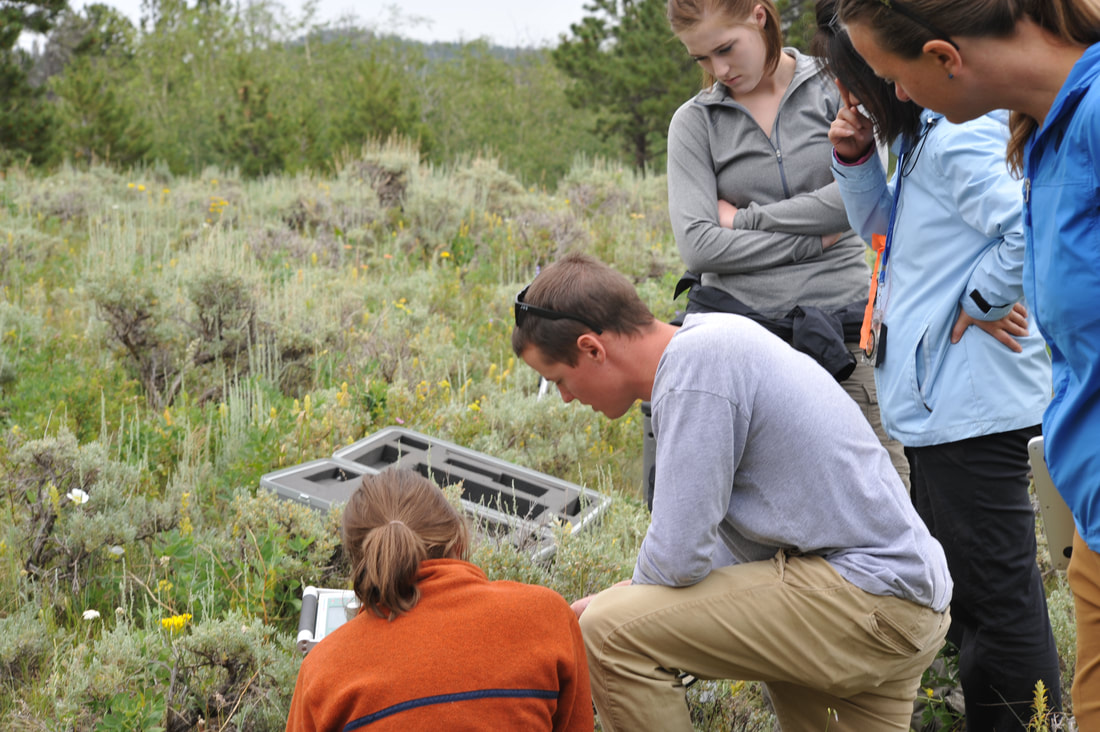
ability to modify levels of complexity based on response and cues from the target audience.”
Firstly, scientist rarely receive training in such skills as the academic dogma of publish or perish diverts interest away from the public when conveying scientific results.
Secondly, academics are well versed in the defense of their research on a professional stage but reframe from defending their findings in public due to fears of losing academic credibility of crossing over into advocacy or political figures.

Further, scientist are tired of being punching bags in the political arena. Scientist are becoming frustrated getting their data and results misinterpreted or mis-conceptualized, fitting a story favoring partisan agendas. Thus, a large effort has been made to increase the transparency into a scientist’s life by engaging a broader audience and defending their findings before media outlets can misconstrue the fundamental stories.
Communicating contentious science ideas is most effective with an integrative and non-threatening stance incorporating community involvement.
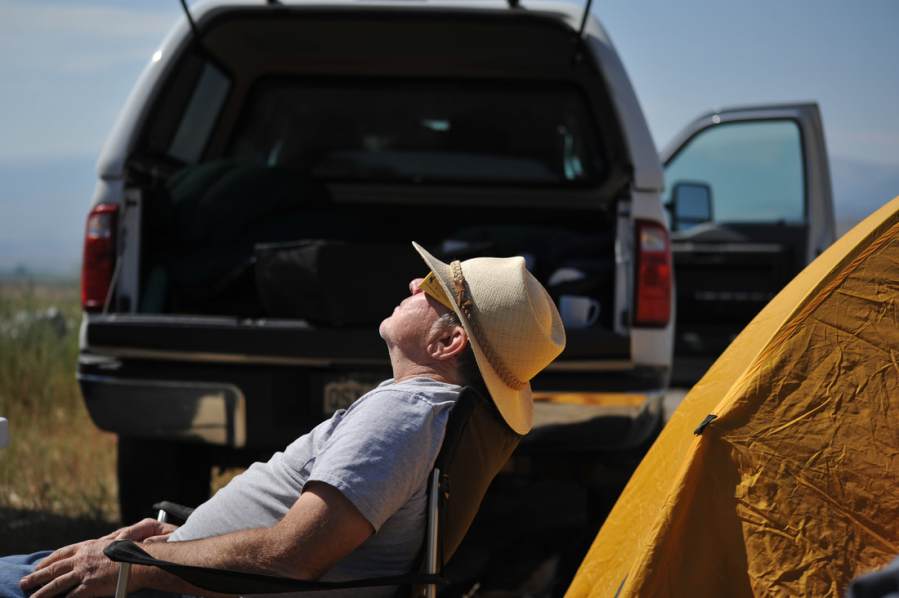
The August solar eclipse opened the door for many creative and novel methods for collecting information of the natural world via citizen engagement. Keen observers were asked to submit the unusual animal behaviors they witnessed, while others deployed audio recording devices to capture the shift in human and animal activities; and a select group of retired scientist could not help themselves with collecting the activity of the solar corona for the greater benefit of science (Nature, Witze 2017).
Science and the scientist must bring back the pleasurable aspects of getting people interested and invested in science and the benefits of research.
—-
Witze, A. (2017). Eclipse promises to reveal mysteries of Sun’s corona. Nature.
 Engage Laramie Science