Post by Alisandra Marvel

Growing up in Alaska, I had very little educational experiences related to sex education. In school, the topic was approached as something that shouldn’t be discussed and that someone should feel awkward about the conversation. As I got older, I learned that conversations about sex should be openly discussed because it is essential for sexual health. I became passionate about advocating for sex education when I had a negative experience with a healthcare provider. I went in for an annual exam and I answered the questions as honestly as I felt comfortable, and I had asked a few questions as well. However, the conversation took a negative turn. The healthcare provider made me feel judged and that genuine questions or concerns were not encouraged. Although I know that not all healthcare providers make patients feel this way, it helped fuel my passion for advocacy and conversations around sexual health. Thus, as I finished my educational journey at the University of Wyoming, I learned how to have honest discussions about sensitive topics. I also began to learn about the many ways sex education could be approached.
There are two ways that schools in the United States approach sex education. The most common is the Abstinence-Based approach, which discusses abstaining from sexual activity until marriage and using scare tactics to discourage teens from having sex. Throughout the research I have done, the Abstinence-based approach does not reduce the amount of teens having sex but rather, increases the amount of teens participating in risky sexual behavior. Research suggests, that a Comprehensive Sex Education (CSE) is more effective in decreasing risky sexual behavior in the human population as a whole (Vanwesenbeeck, 2020). CSE helps the younger generation understand not only the risks associated with sex and what abstinence is, but it also discusses many aspects of being human. The main goal of CSE is to allow for a safe space where young people can ask questions about sexuality and creating a positive atmosphere for learning about sex. However, CSE doesn’t just solely focus on sex specifically. Instead CSE discusses human anatomy, puberty and development, identity, pregnancy and reproduction, STIs and HIV, healthy relationships, and personal safety. One of the most important aspects of CSE is that is teaches age-appropriate information pertaining to sexuality topics and builds as the kids age. Starting kids with understanding their own anatomy and correct terms for their bodies, will help create a more comfortable environment for them to discuss sex in the future. However, there are many misconceptions on what is included in a Comprehensive Sex Education.

One of the most common misconceptions of what a CSE contains, is that is teaches young people about sexual positions. Although the program does include how sex works, specifically, how hormones affect young people’s sexual curiosities and biological aspects of what happens during sex, the program does not include sexual positions (Splendorio & Reichel, 2014). The second most common misconception of CSE is that it encourages young people to partake in sexual activity. However, encouraging teens to have sex is not the goal of CSE. Rather, CSE educates people on the many aspects of sex and relationships, giving the young people the knowledge of how to have sex safely when they decide to start having sex. The discussion of when a person is ready to have sex is for a teen to discuss with their families and not their educators. Lastly, many people believe that those who teach CSE are pushing their personal opinions and values on those that they are teaching. Like many other educating professions, educators provide the tools for those they are teaching and keep their opinions separate from their lessons. Anything that is opinion or value based, will be a discussion that is encouraged to be had with their families. Overall, the main goals of CSE are to provide scientifically accurate information pertaining to sex.
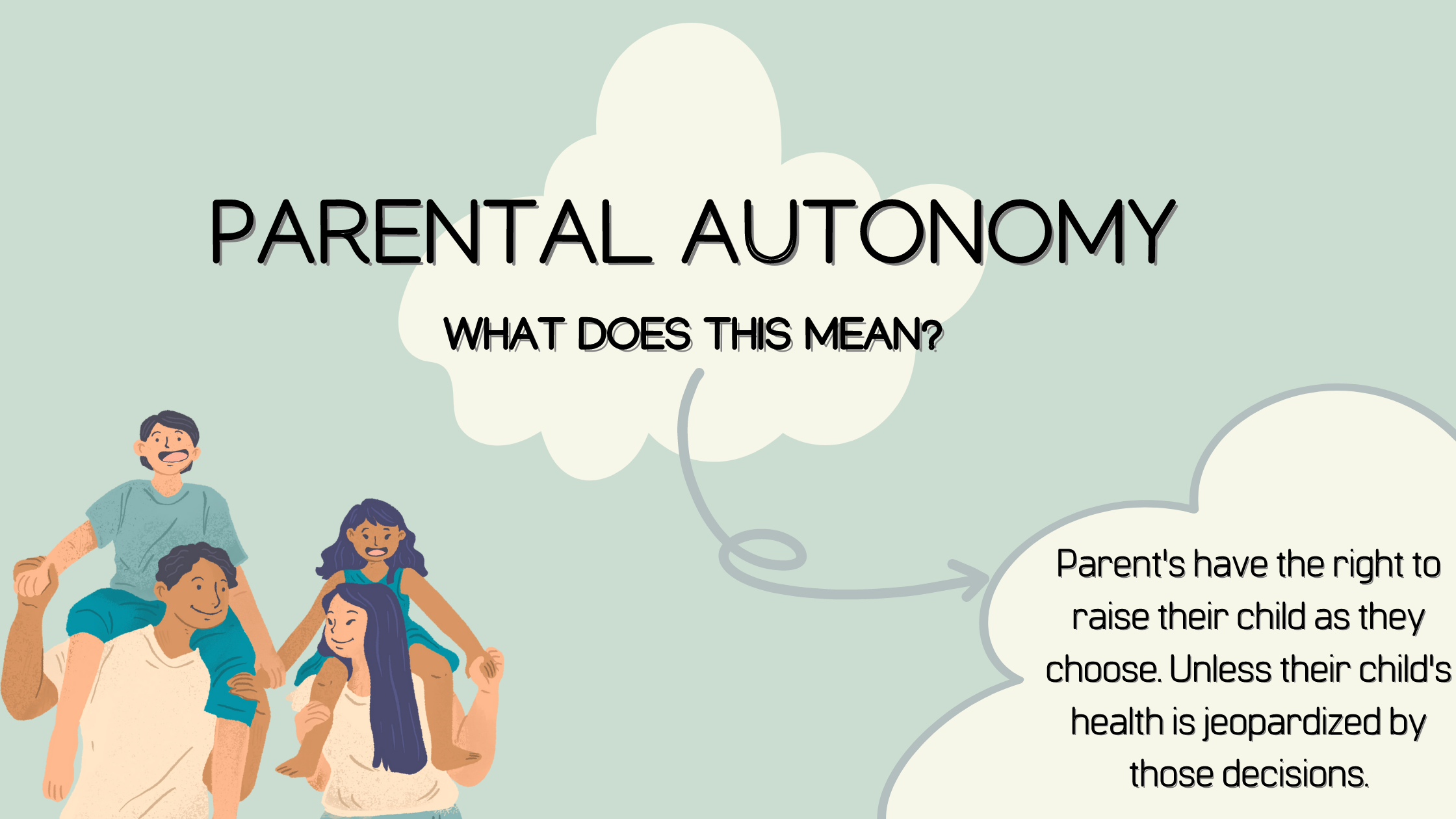
CSE may be an important step in providing the younger generations with positive experiences with sex education, there are people that do not support this method. As I became passionate about increasing access to better sex education, I wondered how I could compromise with the people of the Wasilla community. I decided the best way to understand the feelings of the Wasilla community was to create an anonymous survey where honest responses were encouraged. My survey was open for approximately 10 days, and I received 140 responses. Majority of the people who responded felt that sex education should be a partnership between schools and parents. As I dug further, I realized it would be challenging to successfully change the approach to sex education in schools while still respecting parental autonomy. The power of the parent in Wasilla is very important in the community and those who challenge it are mistrusted. I concluded the best way to start improving sex education in Alaska is to start having conversations with parents.
Since parental autonomy is a top priority in Wasilla, I adapted my plan to increase sex education while still respecting parental rights. By creating an educational space where parents can get to know me personally and understand why I am passionate about this subject, I can build a trusting relationship with the community. I have realized through my science communication journey, that building relationships with community members is essential to communicating science to audiences who may have polarized opinions (Fiske & Dupree, 2013). Once I can start building relationships with parents, we can start discussing the best ways to start conversations about sex with our families. Increasing the discussions pertaining to sensitive topics in families can start to decrease the taboo that surrounds the conversation of sex and create a community that is more comfortable discussing the subject. I hope to use the many skills I learned in science communication to build a strong relationship with my community so I can help increase access to sex education in Alaska.
My name is Alisandra Marvel and I am currently applying to medical school to become a Gynecologist and as a physician I hope to create a more comfortable environment to have honest discussions about sexual health.
references
Fiske, S. T., & Dupree, C. (2014). Gaining trust as well as respect in communicating to motivated audiences about science topics. Proceedings of the National Academy of Sciences, 111(supplement_4), 13593–13597. https://doi.org/10.1073/pnas.1317505111
Splendorio, D., & Reichel, L. A. (2014). Tools for teaching comprehensive human sexuality education: Lessons, activities, and teaching strategies utilizing the National Sexuality Education Standards (grades 6-12). Jossey Bass, Wiley.
Vanwesenbeeck, I. (2020). Comprehensive sexuality education. Oxford Research Encyclopedia of Global Public Health. https://doi.org/10.1093/acrefore/9780190632366.013.205
 Engage Laramie Science